In this Article
Explore the connection between honey, whole-food ingredients, and digestive wellbeing. From traditional herbal preparations to modern gut health research, discover why honey, ginger, turmeric, mushrooms, berries, and botanicals have remained valued for supporting everyday wellness.
Written by

Deborah Freudenmann
Products Related
(
5
)
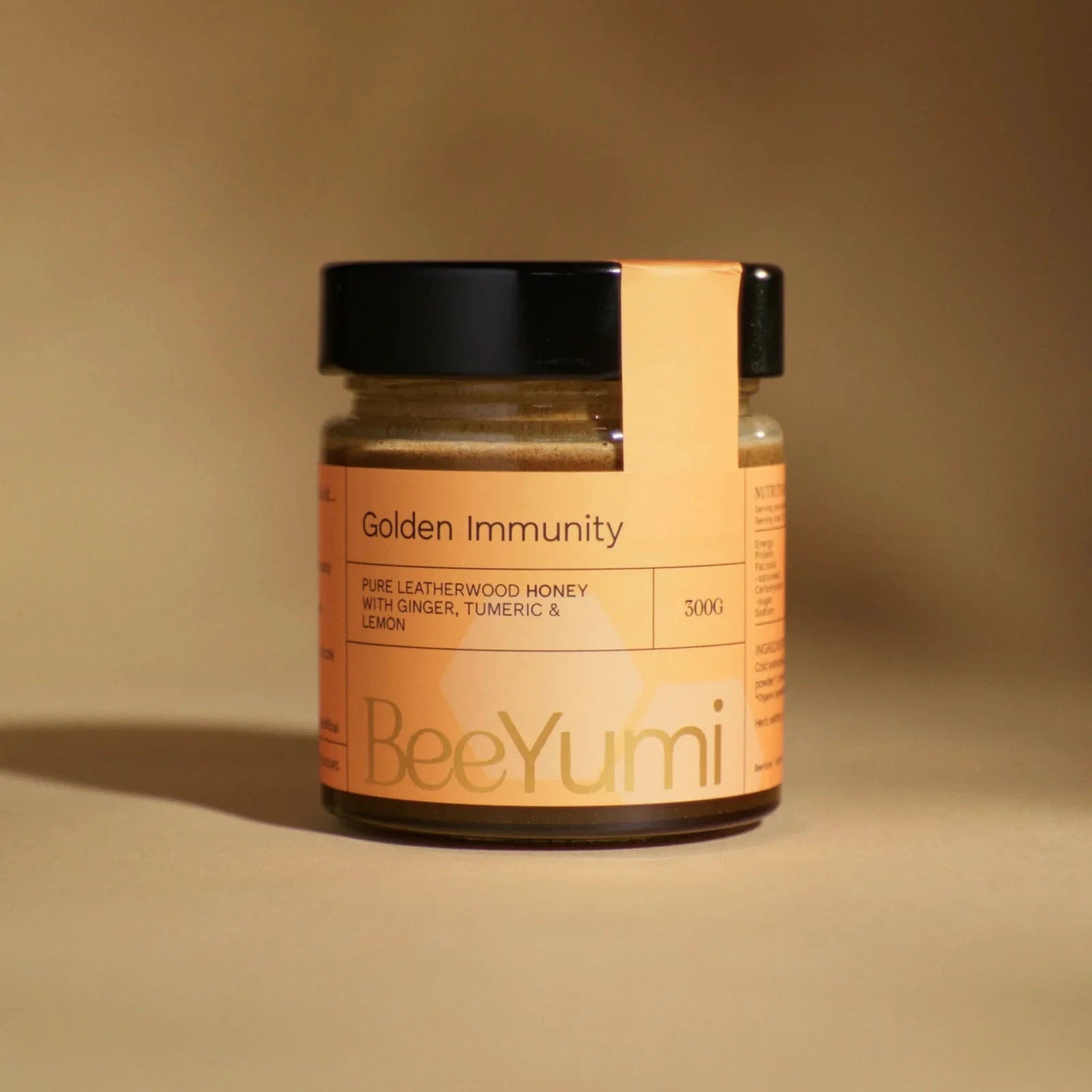
Golden Immunity
A sweet and spicy tonic
(
5
)
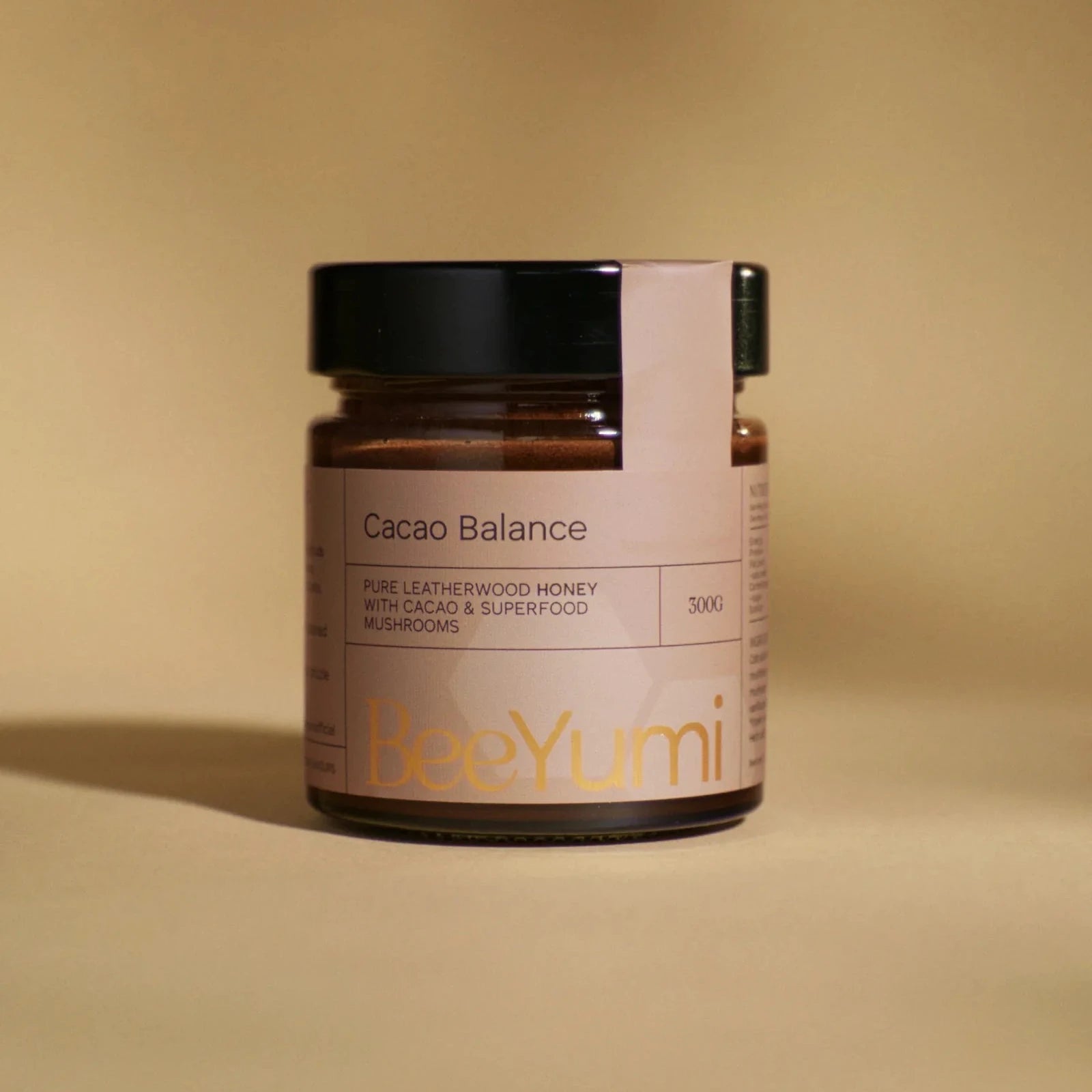
Cacao Balance
Your daily dose of mushrooms
(
6
)
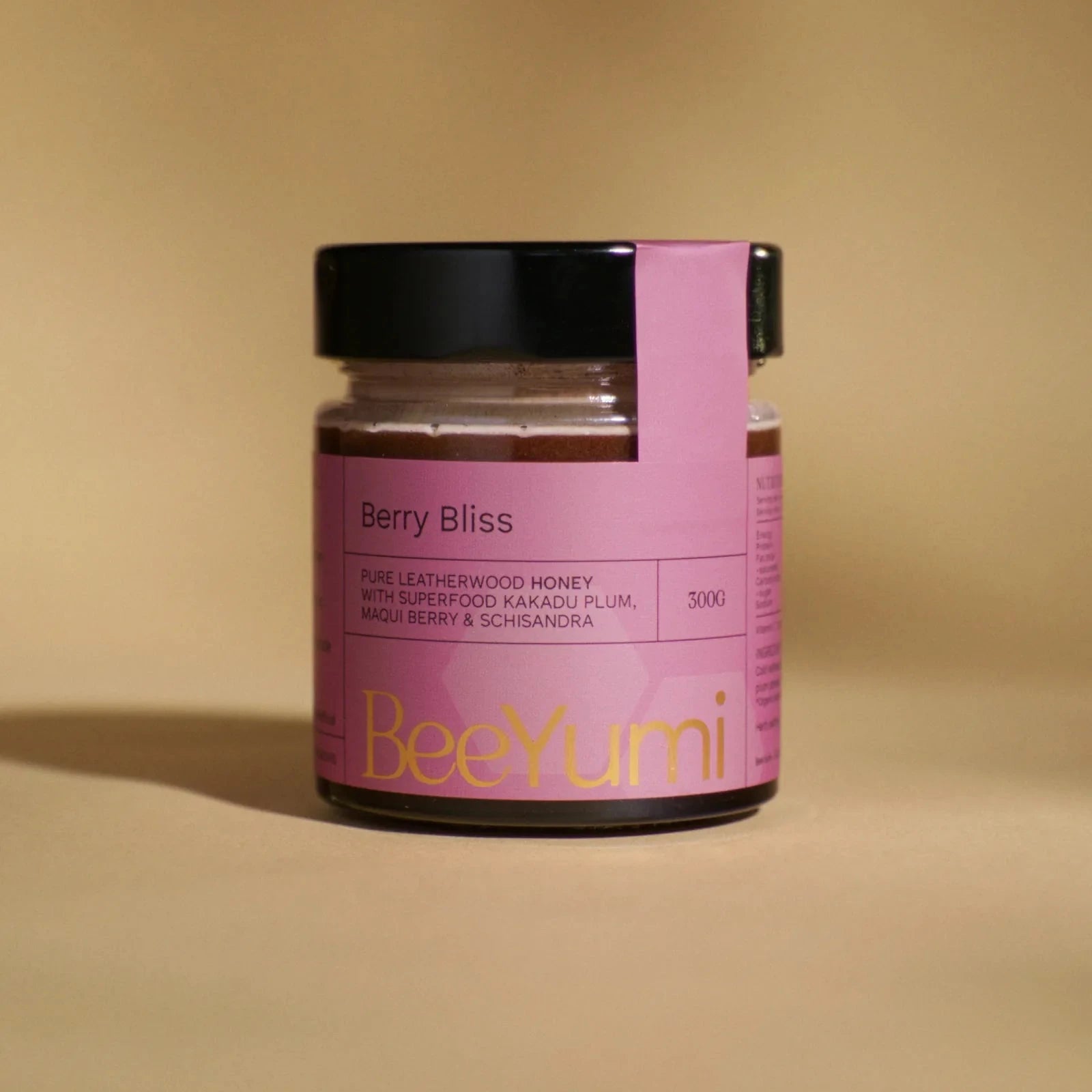
Berry Bliss
Four potent superfruits
Functional Wellness
|
Exploring the relationship between honey, digestion, the microbiome, and traditional food-as-medicine practices.
Gut health has become one of the biggest topics in modern wellness, and for good reason.
Researchers now understand that the gut influences EVERYTHING, from immune health, mood, energy production, nutrient absorption, inflammation, skin health, and even how resilient we feel to stress.
As a naturopath, I have spent years talking about the importance of the gut. Yet one of the most interesting things I've noticed is that many conversations focus heavily on supplements while overlooking the foods we eat every day.
Probiotics, prebiotics, gut powders, gut drinks, digestive enzymes, and so on.
These all have their place.
But long before any of these products existed, people were already using food to support digestion and overall wellbeing.
And honey was often part of that story.
Honey is more than sugar
One of the biggest misconceptions about honey is that it is simply another form of sugar. While honey does naturally contain sugars, it is also a remarkably complex food.
Raw honey contains enzymes, amino acids, antioxidants, polyphenols, trace minerals, and a wide variety of plant-derived compounds that originate from the flowers visited by the bees themselves.
Researchers continue to investigate how these compounds interact with the body, including the digestive system and gut microbiome.
The more we learn about honey, the more fascinating it becomes.
Honey and the gut: A long history
The relationship between honey and digestive health is not a new idea. Across many traditional cultures, honey was used as both a food and a soothing remedy. It was often combined with herbs, roots, spices, and botanicals to create preparations designed to support overall wellbeing.
In fact, one of the reasons electuaries became so popular throughout history was because honey provided a practical and enjoyable way to consume herbs that may otherwise have tasted bitter or unpleasant.
Many of these traditional preparations focused heavily on digestive health.
Thousands of years later, people are still returning to many of the same ingredients.
Why gut health is about more than probiotics
When people think about gut health, probiotics are often the first thing that comes to mind. But a healthy gut is about much more than adding bacteria.
The gut ecosystem is influenced by everything from sleep and stress to movement, hydration, food diversity, and the compounds found within the foods we consume every day.
This is one of the reasons we believe food deserves a bigger role in the gut health conversation.
Not because food replaces every intervention. But because food is something we interact with multiple times every single day. Small choices repeated consistently often have a surprisingly large impact over time.
The ingredients your gut will thank you for
One of the most fascinating things about gut health is that many of the foods traditionally used to support digestion are the exact same foods that have been used in food-as-medicine traditions for generations.
Take ginger, for example.
Most people think of ginger as something you reach for when you're feeling nauseous. But research shows that ginger also supports gastric emptying, digestive comfort, healthy gut motility, and the body's natural digestive processes. In simple terms, it helps keep things moving.
Turmeric is another interesting example. While often celebrated for its anti-inflammatory compounds, turmeric has also been studied for its interaction with the gut lining, microbiome, and digestive system. Many traditional cultures used turmeric long before anyone knew what curcumin was.
Then there are mushrooms.
Functional mushrooms contain unique compounds known as beta-glucans, a form of soluble fibre that can interact with both the gut microbiome and the immune system. Considering around 70% of the immune system resides within the gut, this relationship is particularly fascinating.
Raw cacao is another ingredient that deserves more attention. Rich in polyphenols, cacao may help nourish beneficial gut bacteria while providing antioxidant compounds that support overall health.
Even berries such as maqui berry and Kakadu plum contribute something special. Their vibrant colours come from plant compounds known as polyphenols, which are increasingly being studied for their ability to influence microbial diversity within the gut.
And then there is honey itself.
Raw honey contains its own collection of polyphenols, enzymes, and naturally occurring compounds. Unlike refined sugar, honey arrives with a far more complex nutritional profile, which may be one reason it has been valued across traditional food systems for thousands of years.
So, can functional honey blends support gut health?
Yes they can! But not because they are a magic solution, and certainly not because they replace the foundations of good gut health. But when you look at the ingredients traditionally used to support digestion and the emerging research around honey, polyphenols, mushrooms, berries, and botanicals, it becomes easy to see why these foods have remained valued across generations.
As a naturopath, I will always come back to the foundations. A healthy gut is built through many small choices made consistently over time. Food diversity, stress management, sleep, movement, and nutrient-dense foods all play a role.
Perhaps that is why I find traditional preparations like functional honey blends, so fascinating. They remind us that supporting our health does not always need to be complicated. Sometimes it can be as simple as returning to foods that have nourished people for generations and making them part of everyday life.